The De'Longhi La Specialista Touch is the best espresso machine for most people, with the Breville Bambino for small kitchens and the De'Longhi Stilosa for a tight budget.
As an Amazon Associate we earn from qualifying purchases · prices update daily, may change · affiliate links
Our top picks
🍳
#1 · Best overall
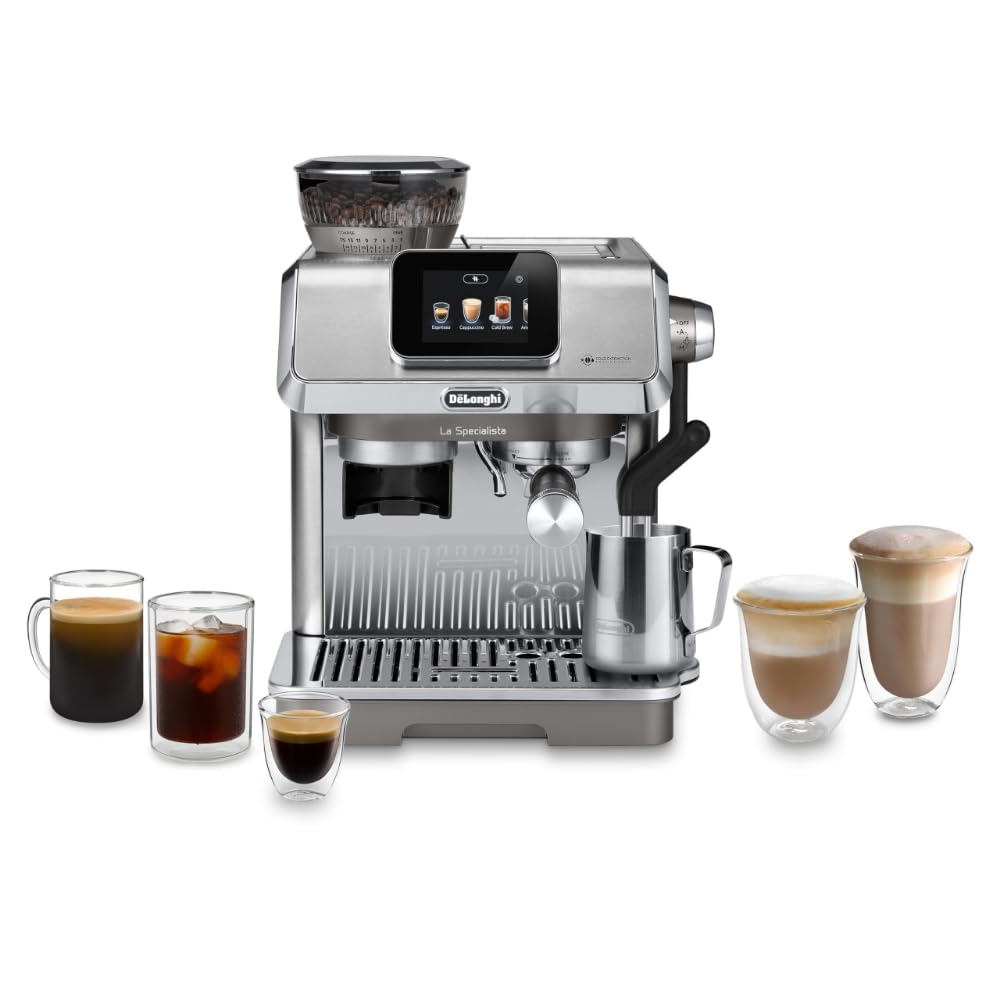
De'Longhi La Specialista Touch
★★★★★4.3(268)
$649.99
Beginners and improvers who want a smart, guided all-in-one machine
Tom's Guide calls it the best espresso machine for most people. A 3.5-inch touchscreen and De'Longhi's Bean Adapt system walk you through grind size, dosing and brewing, which tackles the cause of most bad shots from the start.
Pros
Guides beginners through grinding and tamping
Rich espresso with toffee and chocolate notes in Tom's test
Powerful steam wand with very good automatic milk
Compact for a machine with a grinder
Cons
Hand steaming is a little fiddly because of the wand design and temperature gauge
Tamping is guided rather than built in
An investment compared with entry-level machines
Skip it if: You want a cheap starter machine or a fully hands-off experience
🍳
#2 · Best premium all-in-one
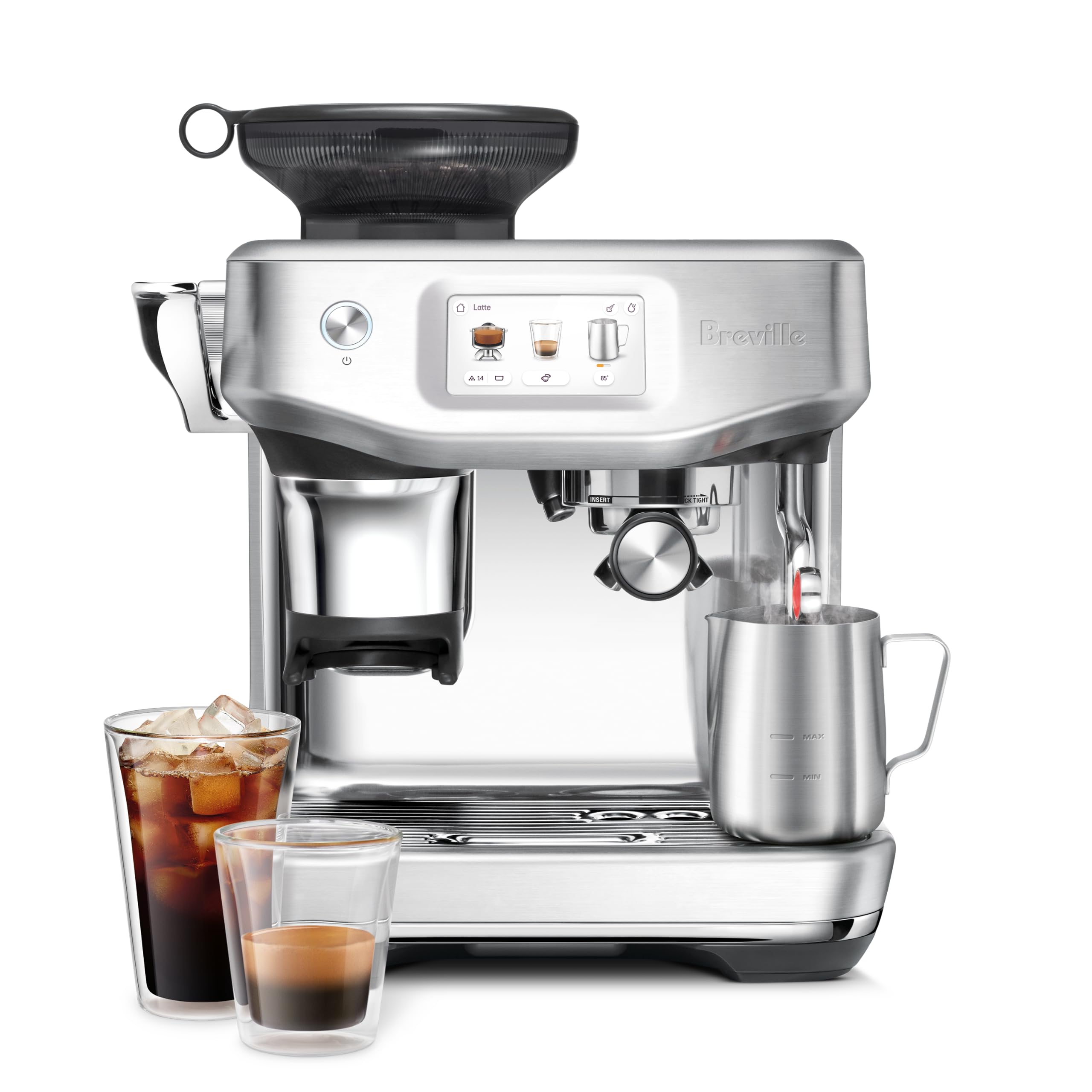
Breville Barista Touch Impress with Cold Extraction
★★★★★3.6(819)
$1,199.95
Buyers who want the easiest route to cafe-style drinks and have the budget
TechRadar's best espresso machine overall, scoring 5 out of 5 for value, design and performance. It guides you through dosing and choosing a grind size, lets you tamp with a satisfying lever pull, then tells you if the shot ran too fast or slow and how to fix it.
Pros
Excellent flavor from your beans, even for newcomers
Clean, easy puck system
Great plant-milk results
Authentic-tasting cold coffee
Cons
AutoMilq works better with plant milk than full-fat dairy
Some popular drinks are missing from the preset menu
Rear water tank can be hard to reach
Expensive
Skip it if: You are happy with a manual machine, or you drink mostly full-fat dairy lattes
🍳
#3 · Best compact
Breville Bambino
★★★★★4.1(2,432)
$499.95
Small kitchens and anyone who wants barista-quality espresso without a big machine
Tom's Guide gave its smallest, cheapest Breville a rare five-star review and names it the best compact machine. It has a PID controller for steady temperature, pre-infusion and one-touch single or double shots.
Pros
Compact and good-looking
Great steam wand
Very high-quality espresso for the price
Quick heat-up
Cons
No grinder, so budget for one
Automatic steaming costs about $100 more (Bambino Plus)
Takes some learning
Skip it if: You want a grinder built in or automatic milk without paying more
🍳
#4 · Best budget
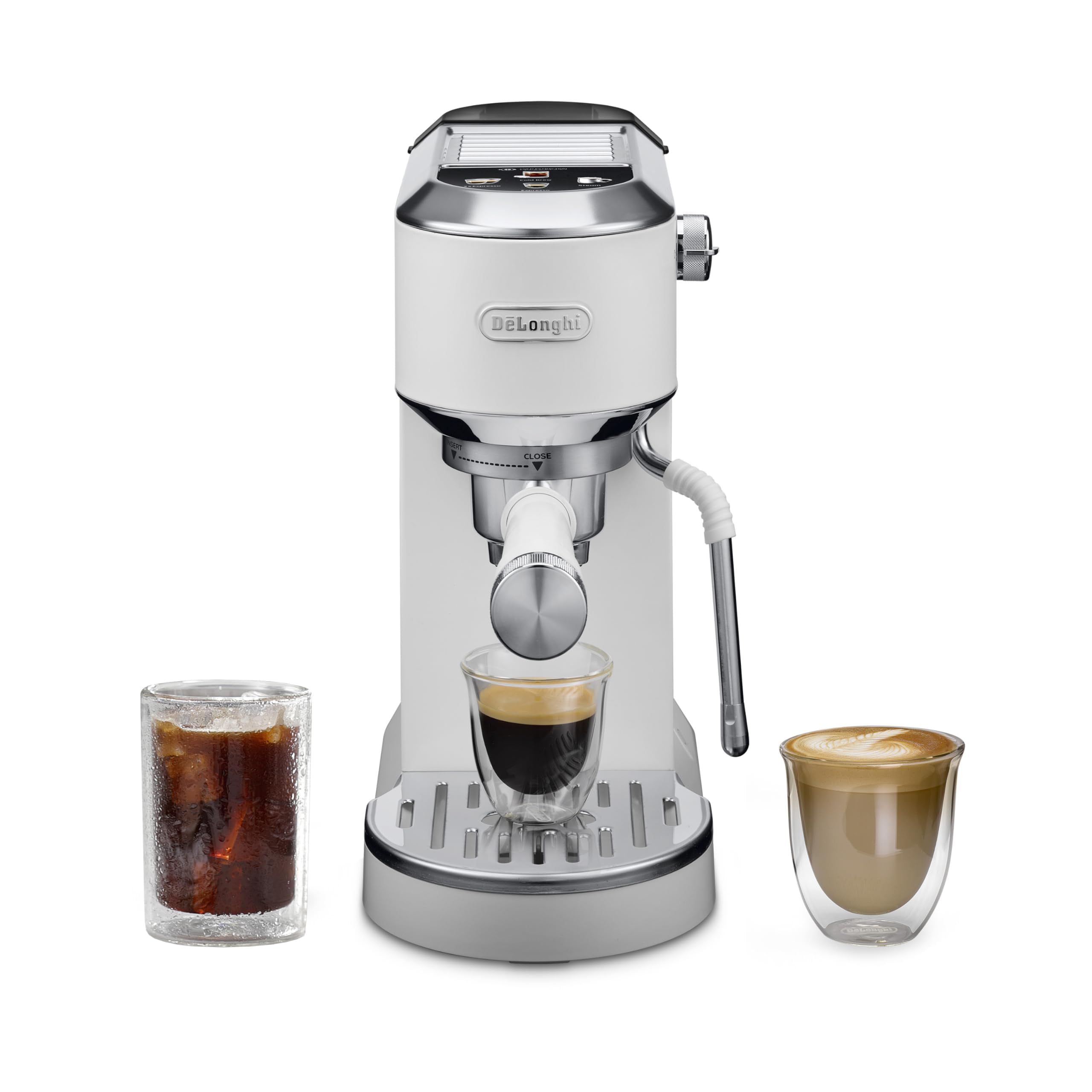
De'Longhi Stilosa
★★★★★4.2(13,919)
$149.95
Tight budgets and hands-on learners who will add a decent grinder
Tom's Guide's best machine under $150. The reviewer, a former barista, found it can pull consistently delicious shots with a little experimentation and one of the better steam wands at this price, capable of fine microfoam for lattes and flat whites.
Pros
Super compact and light
Very affordable
Great espresso once dialed in
Quick heat-up
Cons
The plastic tamper is awful
No milk jug included
Feels plasticky
Needs a grinder and a scale
Skip it if: You want guidance, automation or a premium feel
🍳
#5 · Best budget for tiny kitchens
De'Longhi Dedica Duo
★★★★★3.8(969)
$249.95
Small kitchens where a 6-inch-wide machine is a must
TechRadar names it the best budget espresso machine it tested this year and says it beats most other sub-$300 alternatives. It is only 5.9 inches wide, heats quickly, holds pressure well and has an excellent steam wand.
Pros
Very compact
Solid build for the price
Reliable pressure and a good steam wand
Optional cold extraction
Cons
Drips a little after the pump stops
No built-in grinder
Tom's Guide finds the Stilosa just as capable for less
Skip it if: You want presets or a built-in grinder
🍳
#6 · Best for learning with a grinder
KitchenAid Semi-Automatic Espresso Machine
★★★★★4(297)
$355.62
People who want to improve their technique without a complicated machine
TechRadar's pick for hands-on espresso. Its flat-bottom 58mm portafilter sits steady on the counter, making tamping much easier, and the built-in burr grinder is impressively quiet. It produced rich espresso and silky microfoam from both dairy and oat milk.
Pros
Easy-to-learn controls
Very quiet grinder
Rich espresso and excellent milk frothing
Premium looks and build
Cons
Better-value machines offer more features
You still grind, tamp, brew and steam yourself
Skip it if: You want assisted tamping or a guided workflow
🍳
#7 · Best for beginners
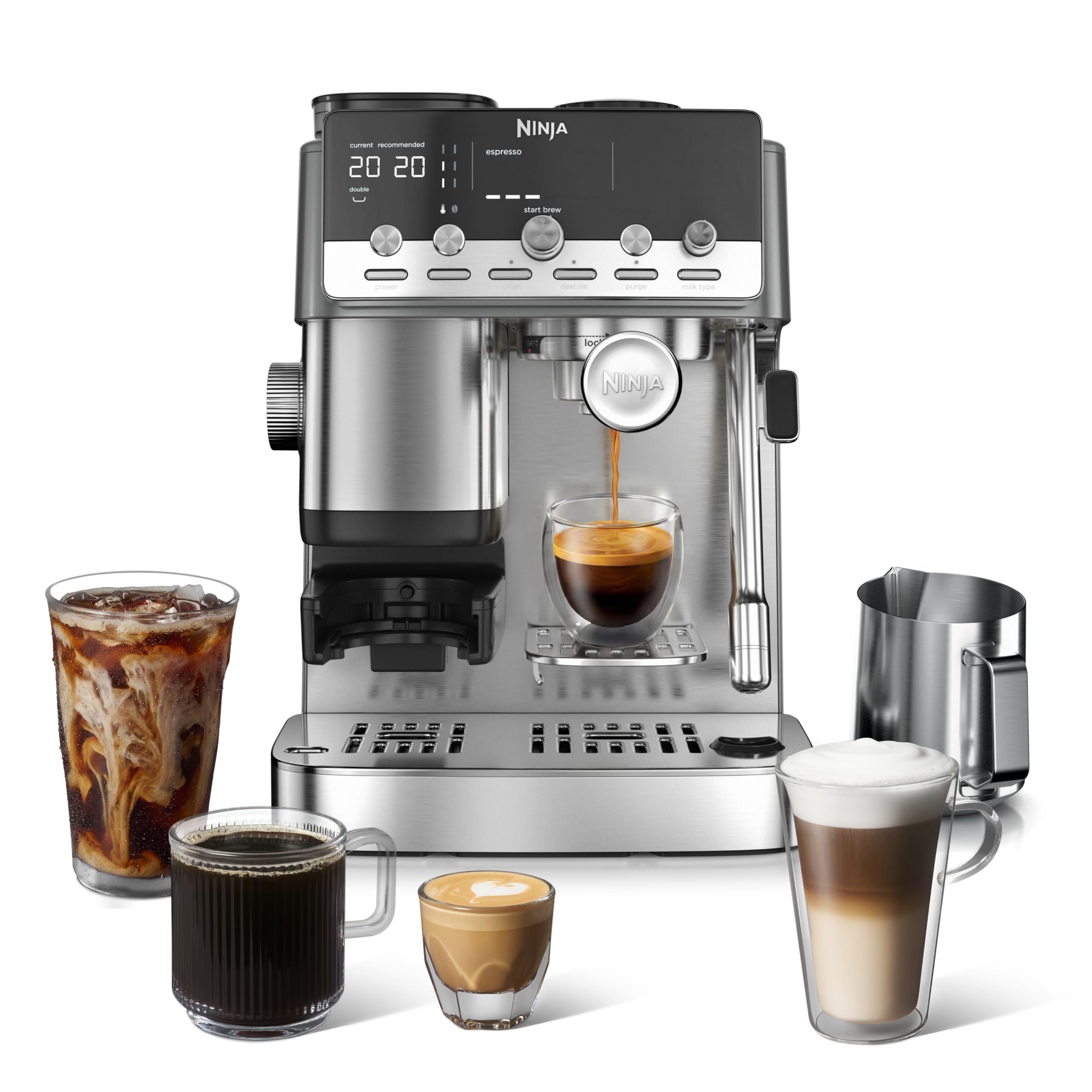
Ninja Luxe Cafe Mini Plus
★★★★★4.4(56)
First-time buyers who want good everyday espresso with minimal fuss
Tom's Guide's pick for beginners. It automates grinding, dosing and weighing, and auto grind-size calibration makes dialing in simple, so there is little trial and error.
Pros
Couldn't be easier to learn
Auto grind-size calibration
Automatic and manual milk options
Cold foam capability
Cons
No built-in tamping or guided brewing
Espresso tastes like chain-coffee-shop coffee rather than specialty
Limited customization for coffee fans
Skip it if: You want to chase specialty-level shots
🍳
#8 · Best hands-off superautomatic
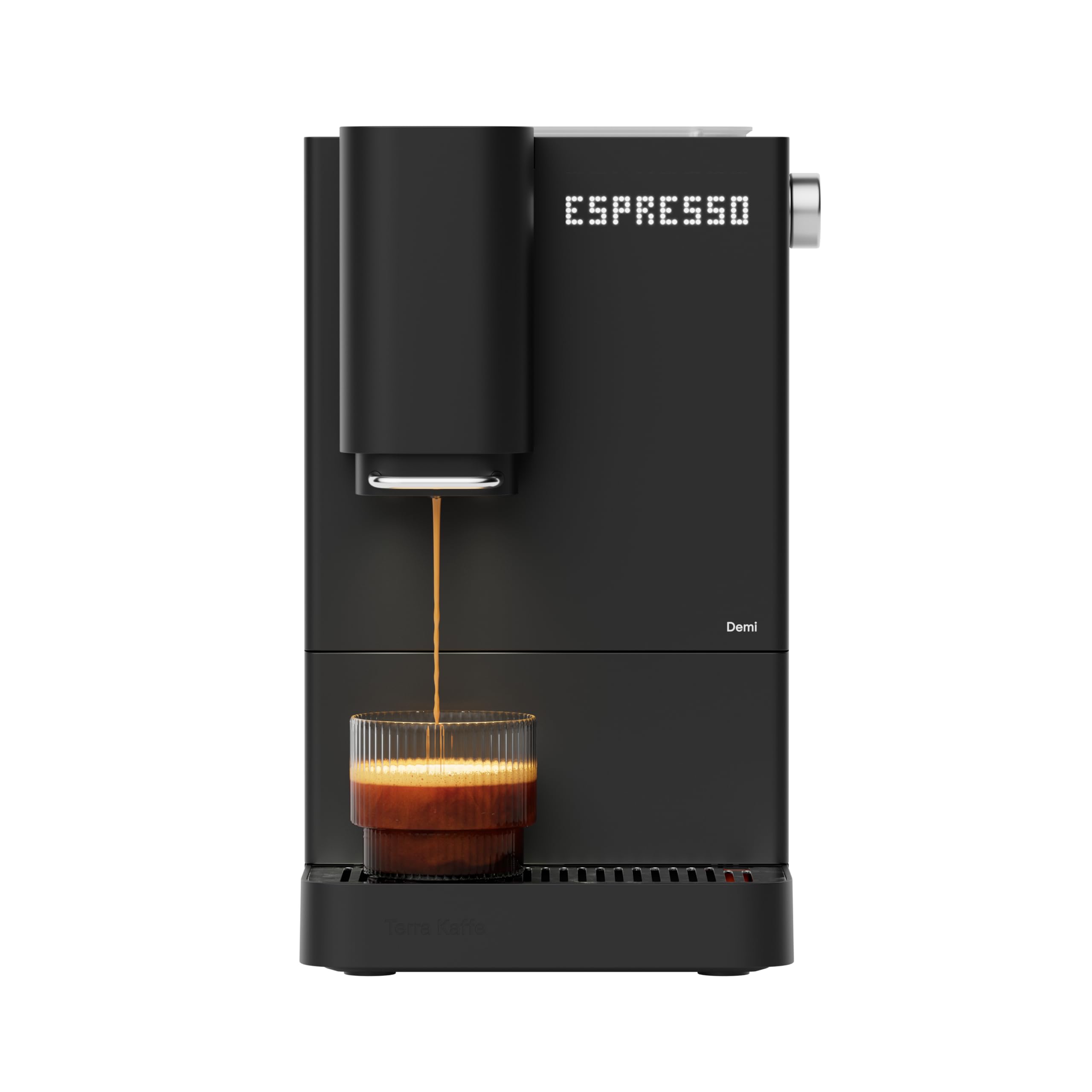
Terra Kaffe Demi
★★★★★3.9(93)
$795.00
Black-coffee drinkers who want a push-button machine that still tastes good
Tom's Guide's best superautomatic. It grinds with conical burrs, then doses, tamps and brews at the touch of a button, and the reviewer found the shots reliably rich and consistent once his temperature, strength and volume were set.
Pros
Consistently high drink quality
Fully automated process
Easy interface and fast heat-up
Attractive design
Cons
Expensive
No built-in milk frothing (a separate frother is sold)
Smallish water tank and few grind settings
Skip it if: You mainly make milk drinks or want to experiment with grind
How to choose
Decide how hands-on you want to be. Manual machines like the Stilosa and Dedica Duo are cheapest but need skill. Guided machines such as the La Specialista Touch teach you as you go, and superautomatics do it all.
Budget for a grinder. Tom's Guide calls the grinder the most important part of making espresso, so machines without one need a separate grinder, and a good one can cost $300 or more, though a hand grinder under $100 works for beginners.
Ignore max-bar claims. Tom's Guide says the ideal pressure is 9 bar. A 15- or 20-bar rating just means headroom, not better coffee.
Think about milk. If you make lattes, look for a strong steam wand or an automatic system. TechRadar found the Barista Touch Impress froths plant milk better than full-fat dairy.
FAQ
What is the best espresso machine for most people?
Tom's Guide picks the De'Longhi La Specialista Touch, while TechRadar names the Breville Barista Touch Impress with Cold Extraction its best overall.
Bambino or Bambino Plus?
Tom's Guide picks the cheaper Bambino and says the Plus adds automatic steaming but is slightly less good value. TechRadar names the Plus its best machine for small spaces.
Do I need a separate grinder?
Not with the La Specialista Touch, Barista Touch Impress, KitchenAid or Ninja Luxe Cafe, which have one built in. The Bambino, Stilosa and Dedica Duo do not.
What if I want to go deeper into espresso?
Tom's Guide recommends the Gaggia Classic E24 for enthusiasts. It is manual with a brass boiler and group head but no PID, so you manage the temperature yourself. For premium, it picks the Fellow Espresso Series 1.
Picks come from Tom's Guide (updated Aug 6, 2026; tested by a certified barista and a team of coffee experts) and TechRadar (updated Sep 18, 2026; Homes Editor Cat Ellis, an SCA-certified barista). The De'Longhi La Specialista Touch, Breville Bambino, De'Longhi Dedica Duo, KitchenAid Semi-Automatic and Ninja Luxe Cafe line show up in both outlets' coverage. Assumptions: Prices change often, so we quote list prices from the outlets' price boxes and tell you to check the current price. The outlets disagree in places: TechRadar names the Dedica Duo its best budget machine, while Tom's Guide rates it as good but pricey and prefers the cheaper Stilosa. Pick by how much work you want to do yourself.